
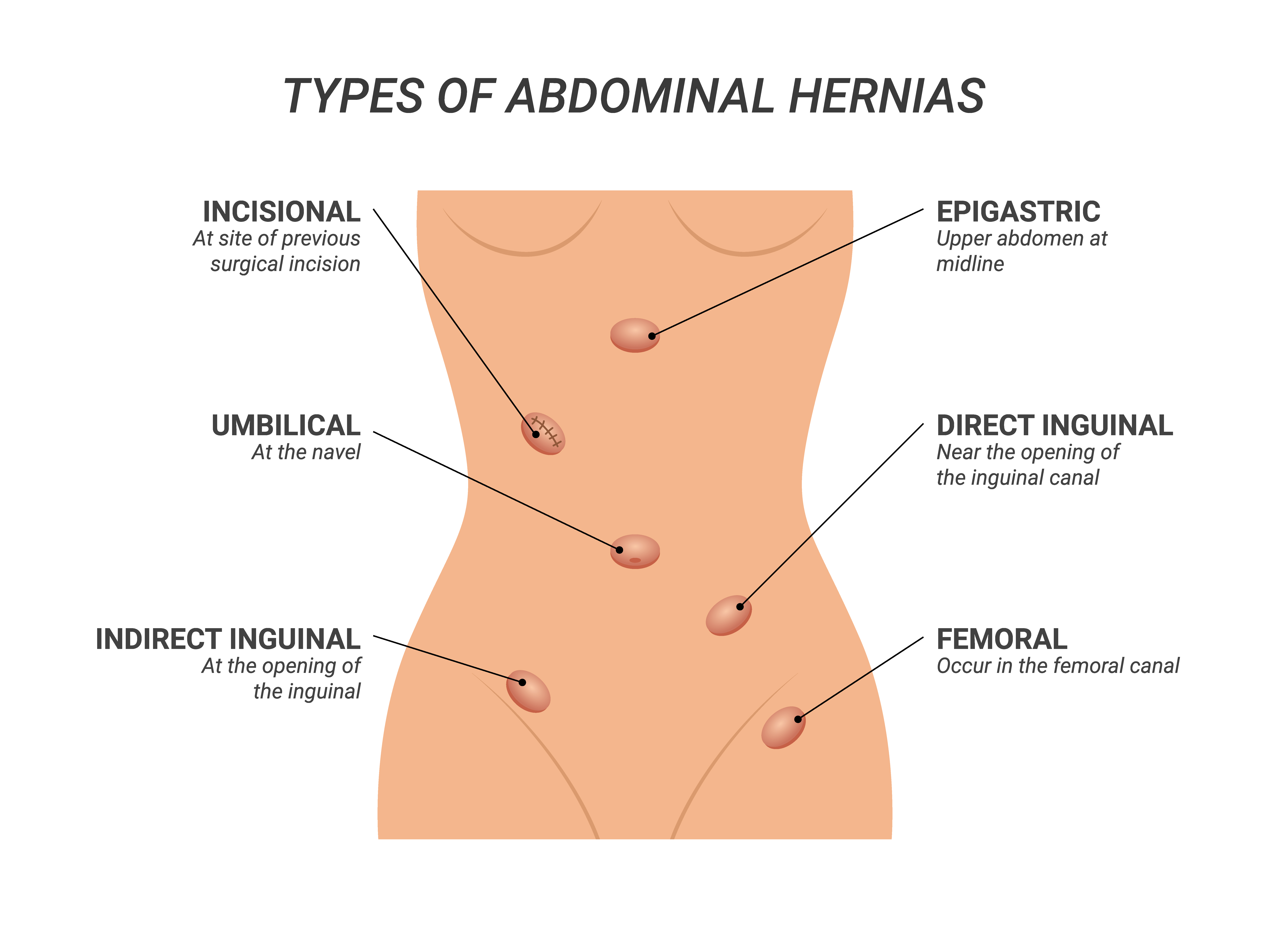
What is a Femoral Hernia?
A femoral hernia happens when tissue pushes through a weak spot in the upper thigh or groin. This bulge often appears near the top of the leg, just below the groin crease. Although femoral hernias are less common than other types, they can cause serious problems if not treated. Early detection is important because a femoral hernia can lead to pain or even block blood flow to the tissue.
Symptoms of Femoral Hernia
Many people do not notice symptoms at first. However, as the hernia grows, signs may appear. For example, you might see or feel a lump in your upper thigh or groin. The lump may get bigger when you stand, cough, or strain. Sometimes, the hernia can cause pain or discomfort, especially when lifting heavy objects.
If you notice any of these femoral hernia symptoms, seek medical advice. Early treatment can prevent complications.
Causes and Risk Factors
Femoral hernias develop when tissue pushes through a weak spot in the muscle wall. Several factors can increase your risk. For instance, anything that puts extra pressure on the abdomen may lead to a hernia. Some people are born with weak muscles, while others develop them over time.
Women are more likely to get femoral hernias than men. This is because the female pelvis is wider, which creates a larger opening for tissue to push through.
How is Femoral Hernia Diagnosed?
Doctors usually diagnose a femoral hernia with a physical exam. During the exam, your doctor will check for a lump in your groin or upper thigh. Sometimes, the lump is easier to feel when you stand or cough. If the diagnosis is unclear, your doctor may order an ultrasound or CT scan. These tests help confirm the hernia and rule out other problems. Early diagnosis is important because untreated femoral hernias can lead to serious issues, such as blocked blood flow.
Treatment Options for Femoral Hernia
Treatment depends on the size of the hernia and your symptoms. In most cases, surgery is needed to fix a femoral hernia. This is because the risk of complications, like a trapped or strangulated hernia, is high. There are two main types of femoral hernia surgery:
After surgery, most people return to normal activities within a few weeks. However, you should always follow your doctor’s advice for a safe recovery.
Prevention and Lifestyle Tips
While not all femoral hernias can be prevented, some steps may lower your risk. For example, keeping your muscles strong and avoiding extra pressure on your abdomen can help. Here are some tips on how to prevent femoral hernia:
Even with these tips, some people may still develop a hernia due to genetics or age. Therefore, regular check-ups are important, especially if you have risk factors.
When to See a Doctor
If you notice a lump in your groin or upper thigh, see a doctor soon. Additionally, seek immediate help if you have severe pain, nausea, vomiting, or the lump becomes hard and tender. These signs may mean the hernia is trapped or strangulated, which is a medical emergency. Early treatment can prevent serious problems and improve your outcome.
In summary, femoral hernias can be serious but are treatable. Consult a specialist for personalized guidance on femoral hernia.