
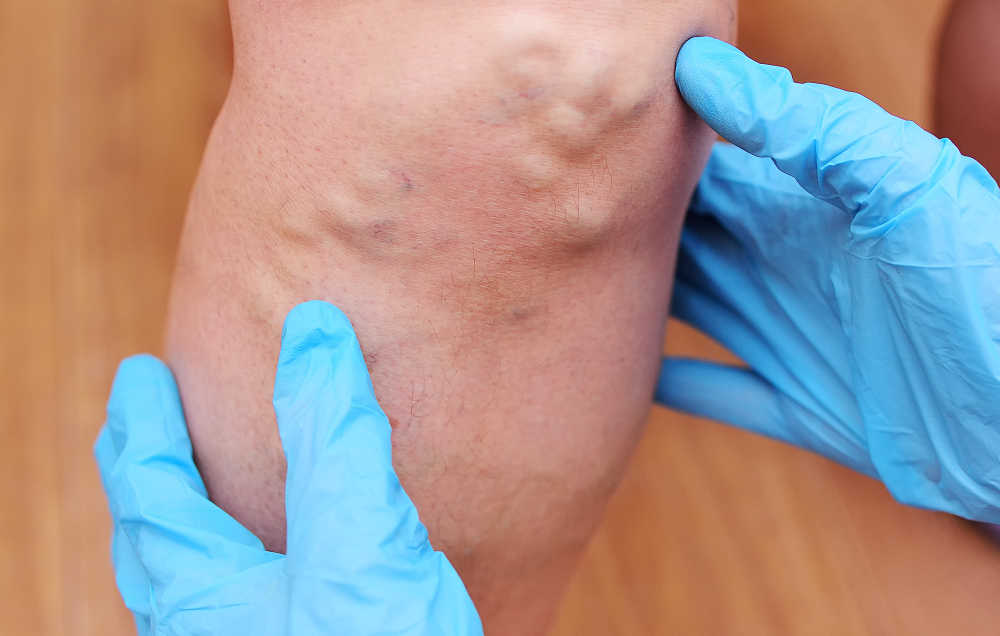
What is a Lipoma?
Many people notice a lump under their skin and wonder, “Is this a lipoma or something else?” A lipoma is a soft, fatty lump that grows slowly under the skin. Most lipomas are not cancer. In fact, they are the most common type of soft tissue lump. According to the World Health Organization, lipomas are usually harmless. However, every lump should be checked by a doctor to be sure.
Common Symptoms and Signs of Lipomas
While lipomas are often easy to spot, it helps to know their usual signs. For example, lipoma symptoms can include:
Still, not all lumps are lipomas. Therefore, it is important to look for changes in size, color, or pain.
Other Possible Causes of Lumps
Sometimes, a lump under the skin is not a lipoma. Instead, it could be another condition. For instance, other causes of lumps include:
Because the difference between lipoma and tumor can be hard to tell, doctors recommend checking any new or changing lump.
How Doctors Diagnose Lumps
Doctors use several steps to find out if a lump is a lipoma or something else. First, they ask about your health history and symptoms. Next, they do a physical exam. Often, they may order tests such as:
With these tools, doctors can tell the difference between lipoma and tumor. As a result, you get the right care.
When to See a Doctor About a Lump
Not every lump is serious. However, some signs mean you should see a doctor soon. For example, seek help if:
When to worry about a lump often depends on these symptoms. Early evaluation helps rule out serious problems.
Treatment Options for Different Types of Lumps
Treatment depends on the type of lump. For many lipomas, no treatment is needed unless they cause pain or bother you. In that case, doctors may remove them with a simple surgery. On the other hand, cysts or abscesses may need draining or antibiotics. If the lump is a tumor, treatment could include surgery, medicine, or other therapies. Because each lump is different, your doctor will suggest the best plan for you.
Tips for Monitoring and Preventing Lumps
Although not all lumps can be prevented, you can take steps to monitor your health. For instance:
By staying alert, you can catch problems early and get the right care if needed.