
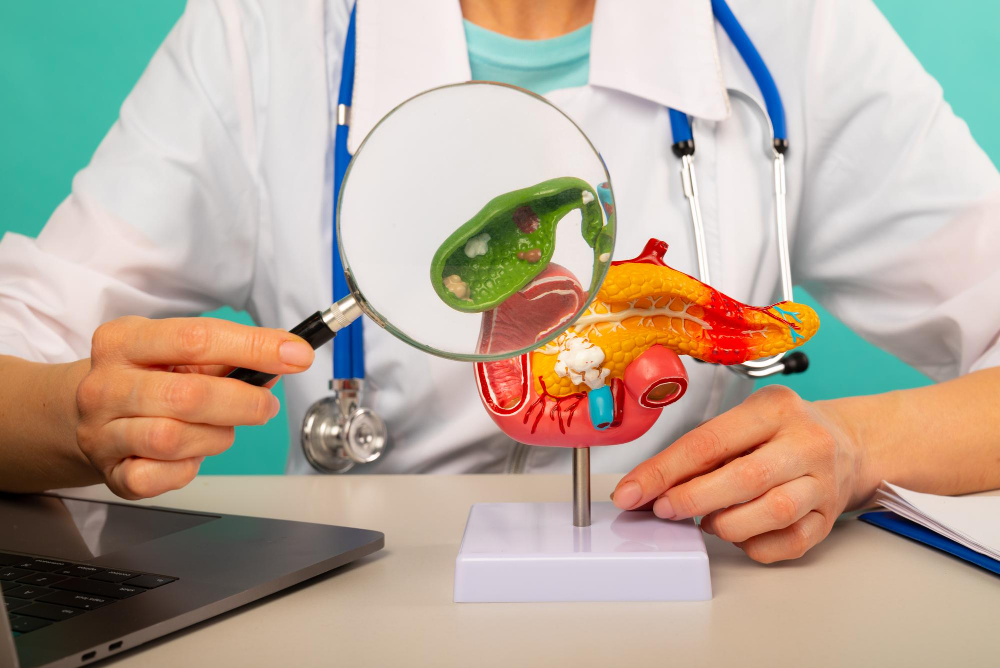
What Are Gallstones?
Gallstones are small, hard pieces that form inside your gallbladder. The gallbladder is a small organ under your liver. It stores bile, which helps your body digest fat. Sometimes, bile can harden and turn into stones. These stones can be as small as a grain of sand or as large as a golf ball. Gallstones are common, and many people do not know they have them. However, some people may develop symptoms that need medical attention.
Common Symptoms of Gallstones
Not everyone with gallstones will feel sick. But, some people may notice signs that something is wrong. For example, you might have pain or discomfort. Here are some common gallstone symptoms:
Sometimes, these symptoms come and go. However, if you have severe pain or fever, you should seek medical help right away. These can be signs you need gallbladder surgery.
Causes and Risk Factors
Gallstones form when the balance of substances in bile changes. For instance, too much cholesterol or bilirubin can cause stones. Several factors can raise your risk. Here are some common risk factors:
Even though anyone can get gallstones, these factors make them more likely. According to the CDC, gallstones affect millions of people each year.
How Gallstones Are Diagnosed
If you have gallstone symptoms, your doctor may suggest tests. First, your doctor will ask about your symptoms and health history. Next, you may have an ultrasound. This test uses sound waves to look inside your belly. Sometimes, other tests like blood tests or CT scans are needed. These help find out if your gallbladder is inflamed or if a stone is blocking a bile duct. Early diagnosis can help prevent serious problems.
When Is Gallbladder Surgery Needed?
Many people with gallstones do not need treatment. However, if you have pain, infection, or other problems, surgery may be needed. Doctors often recommend gallbladder removal surgery if:
Sometimes, people wonder about the signs you need gallbladder surgery. If you have severe pain, fever, or yellow skin, you should see a doctor right away. These signs mean you may need surgery soon.
Types of Gallbladder Surgery
Doctors can remove the gallbladder in two main ways. Most often, they use laparoscopic cholecystectomy. In this surgery, the doctor makes small cuts and uses a camera to guide the tools. This method is less painful and helps you heal faster. Sometimes, open surgery is needed. In open surgery, the doctor makes a larger cut to remove the gallbladder. This may be needed if there are complications or scar tissue. Both types are safe, but laparoscopic cholecystectomy is more common today.
What to Expect Before and After Surgery
Before surgery, your doctor will explain the steps and answer your questions. You may need to stop eating or drinking for a few hours before the procedure. After surgery, you will spend some time in recovery. Most people go home the same day after laparoscopic surgery. However, open surgery may require a longer hospital stay. You may feel sore for a few days. Most people can return to normal activities within a week. Eating smaller, low-fat meals can help your body adjust after gallbladder removal surgery.
Preventing Gallstones
While not all gallstones can be prevented, some healthy habits may lower your risk. For example, you can:
Because some risk factors cannot be changed, it is important to talk with your doctor if you have concerns. Making healthy choices can help reduce your risk of gallstones and related problems.